5 Signs Your Thyroid Is Failing: Early Warning Symptoms You Should Never Ignore
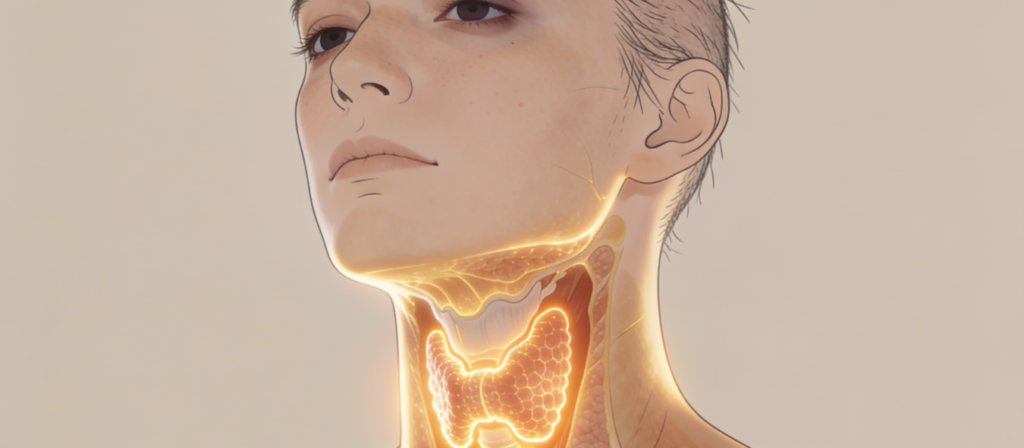
The thyroid gland may be small, but it plays a major role in your overall health. Located at the front of your neck, this butterfly-shaped gland produces hormones that regulate metabolism, energy levels, body temperature, heart rate, and many other essential functions.
When the thyroid begins to fail-most commonly due to hypothyroidism (an underactive thyroid)-the body slows down, causing a wide range of symptoms that can easily be mistaken for normal aging, stress, or other health conditions.
Recognizing the early warning signs of thyroid dysfunction can help you seek treatment sooner and prevent complications. Here are five common signs your thyroid may be failing and what you can do about them.
What Happens When Your Thyroid Stops Working Properly?
The thyroid produces two key hormones: T3 (triiodothyronine) and T4 (thyroxine). These hormones influence nearly every organ in the body.
When the thyroid doesn’t produce enough hormones, your metabolism slows down. This can affect your energy, weight, mood, skin, heart function, and digestive system.
Common Causes of Thyroid Failure
- Hashimoto's thyroiditis (autoimmune disease)
- Iodine deficiency
- Thyroid surgery
- Radiation treatment
- Certain medications
- Aging-related thyroid changes
Let’s explore the most common symptoms.
1. Persistent Fatigue and Low Energy
One of the earliest and most noticeable signs of thyroid failure is constant fatigue.
Unlike ordinary tiredness, thyroid-related fatigue often doesn’t improve with rest or sleep. You may wake up feeling exhausted, struggle to stay productive throughout the day, or feel physically drained after simple tasks.
Why It Happens
Low thyroid hormone levels reduce the body’s ability to convert food into energy efficiently. As metabolism slows, so does your energy production.
When to Be Concerned
If you experience:
- Daily exhaustion despite adequate sleep
- Difficulty concentrating
- Reduced physical stamina
It may be worth discussing thyroid testing with your healthcare provider.
2. Unexplained Weight Gain
Have you noticed weight gain despite maintaining the same diet and exercise routine?
An underactive thyroid can make it harder for your body to burn calories efficiently, leading to gradual and often frustrating weight gain.
Why It Happens
When thyroid hormone levels drop:
- Metabolism slows
- Calorie burning decreases
- Fluid retention may increase
Many people with hypothyroidism gain weight slowly over time, even when their eating habits haven’t changed significantly.
Important Note
While thyroid problems can contribute to weight gain, they are rarely the sole cause. A medical evaluation can help determine whether your thyroid is playing a role.
3. Hair Thinning and Dry Skin
Changes in your appearance can sometimes be among the first visible signs of thyroid dysfunction.
People with thyroid failure often experience:
- Hair thinning
- Increased hair shedding
- Dry, rough skin
- Brittle nails
Why It Happens
Thyroid hormones support healthy skin cell turnover and hair follicle growth. When hormone levels decline, these processes slow down, leading to noticeable changes.
Areas Commonly Affected
- Scalp hair
- Eyebrows (especially the outer third)
- Arms and legs
- Overall skin texture
If hair loss and dry skin occur alongside fatigue and weight gain, thyroid testing may be recommended.
4. Feeling Cold All the Time
Do you often feel cold when everyone else seems comfortable?
Increased sensitivity to cold temperatures is a classic symptom of an underactive thyroid.
Why It Happens
The thyroid helps regulate body temperature by controlling how much energy your cells produce. Reduced thyroid hormone levels mean less heat generation throughout the body.
Signs to Watch For
- Constant cold hands and feet
- Needing extra layers of clothing
- Difficulty tolerating air-conditioned environments
- Feeling chilled even in mild weather
This symptom is especially common among older adults and can significantly affect daily comfort.
5. Depression, Brain Fog, and Memory Problems
Your thyroid doesn’t just affect your body-it also affects your brain.
When thyroid hormone levels are too low, many people experience:
- Depression
- Anxiety
- Brain fog
- Poor concentration
- Memory difficulties
Why It Happens
Thyroid hormones influence brain function, neurotransmitter activity, and cognitive performance. Low levels can slow mental processing and affect mood regulation.
Symptoms May Include
- Difficulty focusing
- Forgetfulness
- Reduced motivation
- Feeling mentally sluggish
- Persistent low mood
Because these symptoms overlap with many other conditions, thyroid problems are sometimes overlooked during diagnosis.
Other Symptoms of Thyroid Failure
In addition to the five major signs above, hypothyroidism may also cause:
- Constipation
- Slower heart rate
- Muscle weakness
- Joint pain
- Puffy face
- Hoarse voice
- Elevated cholesterol levels
- Irregular menstrual cycles
The severity of symptoms can vary from person to person.
How Is Thyroid Failure Diagnosed?
A healthcare provider can evaluate thyroid function using simple blood tests.
Common Thyroid Tests
TSH (Thyroid-Stimulating Hormone)
Often the first test is used to detect thyroid dysfunction.
Free T4
Measures the amount of active thyroid hormone in the bloodstream.
Thyroid Antibody Tests
May help identify autoimmune thyroid diseases such as Hashimoto’s thyroiditis.
Early diagnosis allows for effective treatment and symptom management.
Can Thyroid Failure Be Treated?
Yes. Most cases of hypothyroidism are treated with levothyroxine, a synthetic thyroid hormone replacement medication.
With proper treatment, many people experience:
- Improved energy levels
- Better mood
- Weight stabilization
- Healthier skin and hair
- Enhanced quality of life
Regular monitoring and follow-up with your healthcare provider are important to ensure optimal hormone levels.
The thyroid plays a vital role in maintaining your body’s energy, metabolism, and overall well-being. Symptoms such as persistent fatigue, unexplained weight gain, hair loss, cold sensitivity, and brain fog should not be ignored.
If you recognize several of these warning signs, consider speaking with a healthcare professional about thyroid testing. Early detection and treatment can make a significant difference in your long-term health and quality of life.
Take Charge of Your Health with Medcare
At Medcare, we believe that early detection leads to better outcomes. If you’re experiencing symptoms of thyroid dysfunction, our healthcare professionals can provide comprehensive evaluations, diagnostic testing, and personalized treatment plans to help you feel your best.
Schedule your health consultation with Medcare today and take the first step toward better thyroid health.