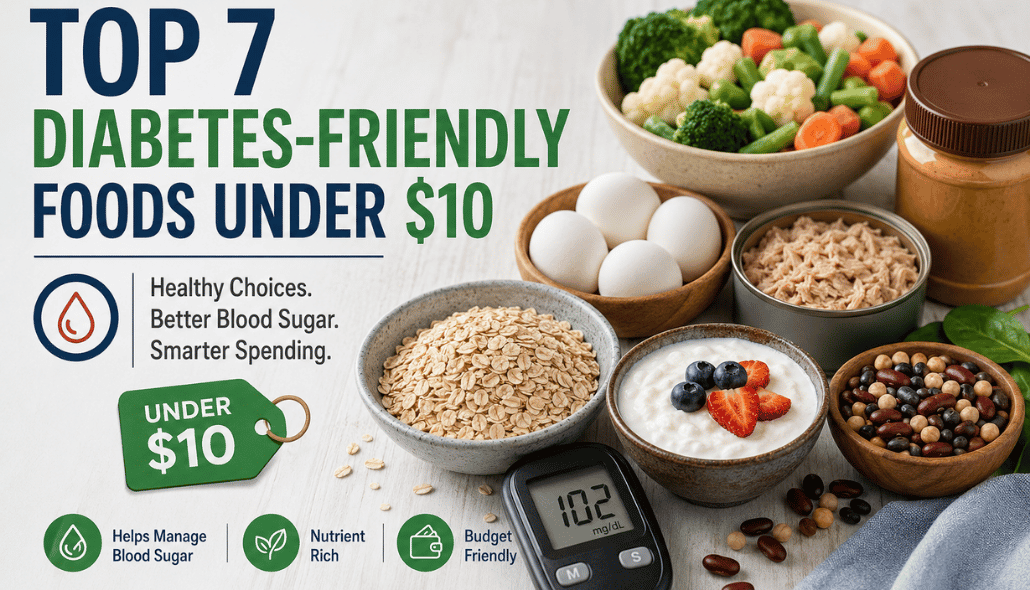
What you eat does more than provide energy. Your diet supplies nutrients that support your brain, nervous system, and overall health. While food alone cannot prevent or treat every mental health condition, research suggests that dietary patterns may play a role in mood and emotional well-being.
From eating enough protein and fiber to staying hydrated and choosing a variety of fruits and vegetables, simple nutrition habits can support your body and brain.
The Connection Between Food and Mental Health
The brain requires a steady supply of nutrients to function properly. Vitamins, minerals, healthy fats, protein, carbohydrates, and water all contribute to normal brain and body functions.
Your digestive system may also be connected to your brain through what is often called the gut-brain connection. The gut contains trillions of microorganisms, and researchers continue to study how the gut microbiome may interact with the nervous system and influence health.
This does not mean that a particular food can instantly improve your mood. Instead, your overall eating pattern may be more important than any single meal or ingredient.
Can Food Affect Your Mood?
Your blood sugar, energy levels, hydration, and nutrient intake can all affect how you feel physically. For example, skipping meals may leave some people feeling tired, irritable, or unable to concentrate.
Eating regular, balanced meals can help provide consistent energy throughout the day.
Nutrients That Support Brain Health
A varied diet can provide many nutrients important for normal brain function.
Omega-3 Fatty Acids
Omega-3 fats are found in foods such as fatty fish, walnuts, chia seeds, and flaxseeds. They play important roles in the body and brain.
Adding fish such as salmon, sardines, or tuna to your meals can be one way to increase your intake of omega-3 fatty acids.
B Vitamins
B vitamins are involved in energy metabolism and normal nervous system function. Foods such as whole grains, beans, eggs, leafy green vegetables, meat, and dairy products can provide different B vitamins.
A balanced diet is generally a practical way to obtain these nutrients.
Magnesium and Other Minerals
Magnesium is involved in hundreds of processes in the body, including normal nerve and muscle function. Nuts, seeds, beans, whole grains, and leafy green vegetables are among the foods that contain magnesium.
Other vitamins and minerals also contribute to overall health, which is why eating a variety of nutrient-rich foods is important.
Foods That May Support a Healthier Eating Pattern
You do not need a complicated diet plan to make positive changes. Start with foods that are accessible and realistic for your lifestyle.
Consider adding more:
- Fruits such as berries, apples, oranges, and bananas
- Vegetables, especially leafy greens and colorful vegetables
- Whole grains such as oats and brown rice
- Beans, lentils, and other legumes
- Nuts and seeds
- Fish and other sources of lean protein
- Eggs and low-fat dairy products
- Water and other low-sugar beverages
These foods can provide a combination of fiber, protein, healthy fats, vitamins, and minerals.
What About Highly Processed Foods?
Foods high in added sugars, sodium, and unhealthy fats can be part of many people’s diets. Eating them occasionally does not automatically mean your diet is unhealthy.
However, relying heavily on highly processed foods may make it harder to get the variety of nutrients your body needs. A balanced approach that emphasizes whole and minimally processed foods can be a practical goal.
Simple Ways to Improve Your Diet
Healthy eating does not have to mean completely changing your routine overnight.
Try these realistic steps:
1. Build balanced meals.
Include a source of protein, vegetables or fruit, and a high-fiber carbohydrate when possible.
2. Don't regularly skip meals.
Regular meals can help you maintain energy throughout the day.
3. Drink enough water.
Even mild dehydration can contribute to feeling tired or unwell.
4. Add one nutrient-rich food at a time.
Try adding fruit to breakfast, vegetables to lunch, or nuts as a snack.
5. Focus on consistency instead of perfection.
A healthy eating pattern develops over time. One meal does not determine your overall health.
Can Diet Replace Mental Health Treatment?
No. Nutrition is only one part of overall health.
If you are experiencing persistent sadness, anxiety, changes in sleep, loss of interest in activities, difficulty concentrating, or other concerning symptoms, talk with a qualified healthcare professional.
A healthcare professional can help determine what may be contributing to your symptoms and discuss appropriate support or treatment. Dietary changes can complement healthy lifestyle habits, but they should not replace professional mental health care when it is needed.
The Bottom Line: Food Is Part of the Bigger Picture
Your diet can contribute to your overall physical and mental well-being. Choosing a variety of nutrient-rich foods, eating regular balanced meals, staying hydrated, and limiting excessive amounts of highly processed foods are practical steps that may support a healthier lifestyle.
Most importantly, mental well-being is influenced by many factors, including sleep, physical activity, stress, relationships, medical conditions, and access to appropriate healthcare.
If you have questions about your health or how lifestyle habits may fit into your care, speaking with a healthcare professional can help you choose an approach that works for you.
Take the Next Step With Medcare
Your health involves more than treating symptoms. Medcare helps connect patients with healthcare services through convenient telehealth options.
Call Medcare at (800) 303-1766 to learn more about available services and how telehealth may fit into your healthcare needs.
This article is for general educational purposes and is not a substitute for professional medical advice, diagnosis, or treatment.