How Sugar Affects the Skin: What You Need to Know
Most people know that consuming too much sugar can contribute to weight gain and increase the risk of diabetes. However, many are unaware that sugar can also have a significant impact on skin health. From accelerating the aging process to worsening acne and inflammation, excessive sugar intake may be affecting your complexion more than you realize.
Understanding how sugar affects the skin can help you make informed dietary choices that support both your overall health and your appearance.
The Science Behind Sugar and Skin Health
When you consume sugary foods and beverages, your blood sugar levels rise. This triggers the release of insulin, a hormone that helps regulate glucose in the bloodstream. Frequent spikes in blood sugar can contribute to inflammation throughout the body, including the skin.
One of the most important processes linking sugar to skin aging is called glycation.
What Is Glycation?
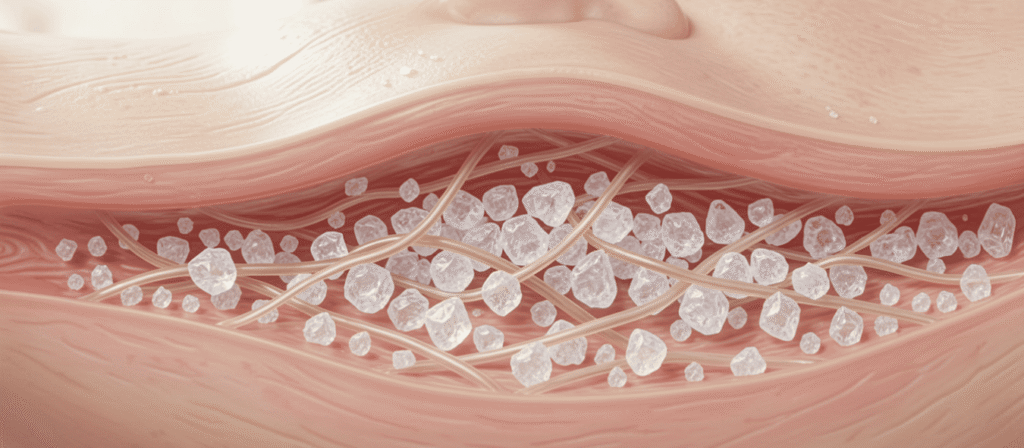
Glycation occurs when excess sugar molecules attach to proteins such as collagen and elastin. These proteins are responsible for keeping the skin firm, smooth, and youthful.
When collagen and elastin become damaged through glycation, they form harmful compounds known as Advanced Glycation End Products (AGEs). These compounds weaken the skin’s structural support system, leading to visible signs of aging.
How Sugar Contributes to Premature Aging
A diet high in sugar may accelerate skin aging in several ways.
Increased Wrinkles and Fine Lines
Collagen provides strength and elasticity to the skin. When sugar damages collagen fibers, the skin becomes less resilient and more prone to wrinkles, fine lines, and sagging.
Over time, excessive sugar consumption may contribute to an older appearance than expected for your age.
Loss of Skin Elasticity
Elastin helps the skin return to its normal shape after stretching. Glycation can make elastin fibers stiff and less flexible, reducing skin elasticity and firmness.
This can lead to drooping skin around the cheeks, jawline, and eyes.
Dull and Uneven Complexion
Inflammation caused by high sugar intake can affect the skin’s ability to repair itself. As a result, the complexion may appear dull, tired, and uneven.
Many people notice improvements in skin brightness and texture after reducing their sugar intake.
Can Sugar Cause Acne?
While acne is influenced by multiple factors, research suggests that diets high in refined sugars and high-glycemic foods may contribute to breakouts in some individuals.
Blood Sugar Spikes and Oil Production
High sugar consumption causes insulin levels to rise rapidly. Elevated insulin can increase the production of hormones that stimulate oil glands in the skin.
More oil production can clog pores and create an environment where acne-causing bacteria thrive.
Increased Inflammation
Inflammation plays a major role in acne development. Since sugar can promote inflammatory processes, excessive intake may worsen existing acne and contribute to more frequent breakouts.
Foods commonly associated with rapid blood sugar spikes include:
- Sugary drinks
- Candy and sweets
- White bread
- Pastries and cakes
- Processed snacks
The Connection Between Sugar and Skin Inflammation
Inflammation is one of the biggest ways sugar impacts skin health.
Worsening Existing Skin Conditions
For individuals with inflammatory skin conditions such as eczema, rosacea, or psoriasis, excessive sugar intake may contribute to flare-ups.
While sugar is not the sole cause of these conditions, reducing consumption may help some people better manage symptoms.
Slower Skin Healing
Chronic inflammation can impair the body’s natural healing processes. This may lead to slower recovery from acne lesions, minor cuts, and other skin injuries.
Healthy skin relies on efficient repair mechanisms, which can be negatively affected by consistently high sugar consumption.
Signs Your Diet May Be Affecting Your Skin
Although skin issues have many possible causes, excessive sugar intake may contribute to:
- Frequent acne breakouts
- Premature wrinkles
- Dull-looking skin
- Increased redness
- Loss of firmness
- Uneven skin tone
- Persistent inflammation
If these concerns are present, reviewing your dietary habits may be worthwhile.
How to Protect Your Skin from Sugar-Related Damage
The good news is that you don’t need to eliminate all sugar from your diet. Instead, focusing on moderation and healthier choices can support better skin health.
Choose Whole Foods
Whole foods generally cause slower increases in blood sugar compared to highly processed products.
Focus on:
- Fresh fruits
- Vegetables
- Whole grains
- Lean proteins
- Healthy fats
- Nuts and seeds
Stay Hydrated
Proper hydration supports skin function and helps maintain a healthy complexion. Water is always a better choice than sugary beverages.
Prioritize Antioxidant-Rich Foods
Antioxidants help combat oxidative stress and may reduce some of the damage associated with inflammation and aging.
Good sources include:
- Berries
- Leafy greens
- Citrus fruits
- Green tea
- Colorful vegetables
Maintain a Consistent Skincare Routine
While diet plays an important role, skincare habits matter too. Cleansing, moisturizing, sun protection, and professional dermatological guidance can all contribute to healthier skin.
The Bottom Line
The relationship between sugar and skin health is supported by growing scientific evidence. Excessive sugar intake can contribute to glycation, inflammation, acne, collagen breakdown, and premature aging. Over time, these effects may lead to wrinkles, loss of elasticity, dullness, and other visible skin concerns.
Reducing added sugars, choosing nutrient-rich foods, staying hydrated, and maintaining healthy lifestyle habits can help support clearer, healthier, and more youthful-looking skin. Small dietary changes today may make a noticeable difference in your skin’s appearance for years to come.
Take Charge of Your Skin Health with Medcare
At Medcare, our dermatology and wellness experts can help you understand the factors affecting your skin and create personalized solutions for healthier, more radiant skin. Schedule a consultation today and take the first step toward long-term skin wellness.