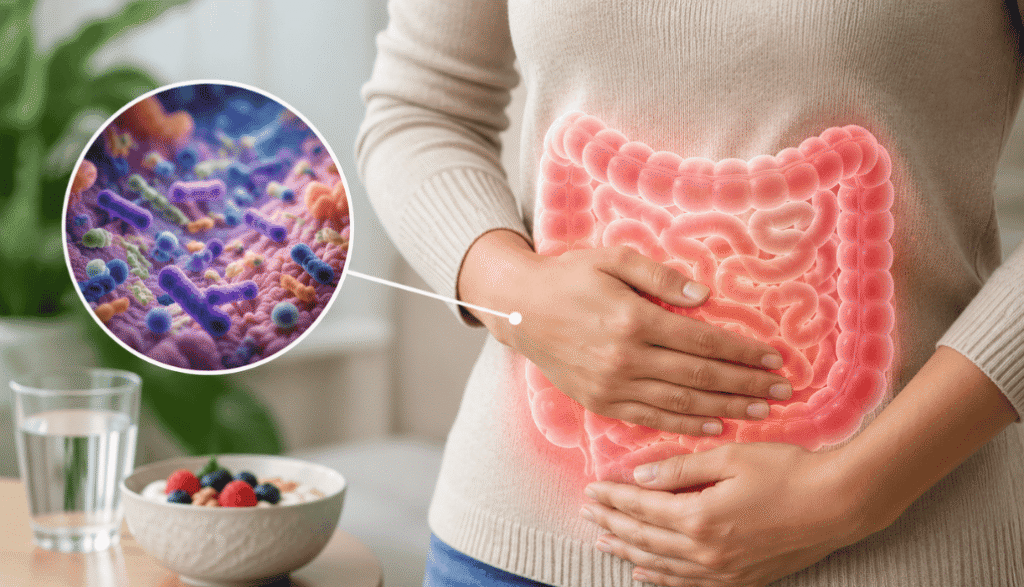
What Happens to Your Gut After Antibiotics?
Antibiotics can be important medicines. They help by killing or stopping the growth of bacteria that make you sick. Antibiotics are not always able to tell good bacteria from bad bacteria. This means they can also affect the tiny organisms living in your stomach and intestines.
This group of organisms is called the gut microbiome. It has a job in helping you digest food, keeping your body strong and supporting your health.
So what happens to your gut when you take antibiotics? You might notice some changes in how your stomach feels while your gut microbiome gets back to normal. For some people these changes are not serious. Go away quickly. For others the changes might last longer.
Learning about these changes can help you understand what is normal and when it is best to speak with a doctor.
How Do Antibiotics Affect Your Gut Microbiome?
Your gut has a range of bacteria and tiny living things. A lot of these life forms are good and help keep your tummy healthy.
When you take medicine that kills bacteria it fights the ones that are making you sick. It can also kill some of the good bacteria that live in your tummy.
This can make the mix of life forms in your gut different, for a short time.
The effects depend on several factors, including:
- The type of antibiotic you take
- How long you take it
- Your overall health
- Your existing gut microbiome
- Previous antibiotic use
Some people notice digestive symptoms during treatment, while others notice changes after finishing the medication.
Common Gut Symptoms After Taking Antibiotics
Changes in gut bacteria can affect digestion. Common symptoms may include:
1. Diarrhea
Antibiotic-associated diarrhea is one of the common digestive side effects. It can happen while someone is taking the antibiotic or just after they finish the treatment.
Mild diarrhea often gets better once the antibiotic course is done. If the diarrhea lasts a long time or is very bad it should not be ignored.
2. Bloating and Gas
Changes in gut bacteria can temporarily affect how your digestive system processes certain foods. This may lead to increased gas, bloating, or abdominal discomfort.
3. Changes in Bowel Movements
You may notice changes in stool frequency, consistency, or regularity while your gut microbiome recovers.
4. Stomach Discomfort
Some people experience nausea, cramping, or general stomach discomfort while taking antibiotics.
These symptoms can have different causes, so persistent digestive problems should be discussed with a healthcare professional.
How Long Does It Take for Your Gut to Recover After Antibiotics?
There is no one size fits all timeline for recovery.
Studies show that the gut microbiome can start to change during use and might slowly get back to normal after. Some parts of the microbiome might go back to how they were not long after but other changes might last longer.
Your recovery could be affected by the type of antibiotic, how long you took it, what you eat, your health and your own microbiome.
The key thing to keep in mind is that you should not stop taking an antibiotic just because you are worried about your gut health. Take antibiotics exactly as your doctor says unless your healthcare provider tells you something.
How to Support Your Gut After Antibiotics
Once your treatment is complete, healthy everyday habits can support your digestive health.
Eat a Variety of Fiber-Rich Foods
Foods such as vegetables, fruits, beans, whole grains, nuts, and seeds provide dietary fiber that can support beneficial gut microorganisms.
If your stomach is sensitive, increase fiber gradually and drink enough fluids.
Include Fermented Foods
Foods such as yogurt with live cultures, kefir, sauerkraut, and other fermented foods may provide beneficial microorganisms. Choose options that fit your dietary needs.
Stay Hydrated
Adequate fluids are particularly important if you have experienced diarrhea or other digestive symptoms.
Focus on Overall Nutrition
Instead of relying on one “gut health” food or supplement, focus on a balanced diet with a variety of nutrient-rich foods.
Should You Take Probiotics After Antibiotics?
Probiotics are like bacteria that can help you feel better in some situations.
Some studies say that certain probiotics can help stop you from getting diarrhea when you take antibiotics.
Probiotics are not all the same so they do not all work the way.
The benefits of probiotics depend on the type of probiotic. What is going on with you?
If you want to start taking probiotics especially if you are older or your immune system is not strong or you have health problems you should talk to your doctor first.
When Should You Talk to a Doctor?
Digestive changes after antibiotics are often temporary, but some symptoms require medical attention.
Contact a healthcare professional if you develop:
- Severe or persistent diarrhea
- Blood in your stool
- Severe abdominal pain
- Fever
- Signs of dehydration
- Symptoms that are getting worse rather than better
Antibiotic use can sometimes be associated with Clostridioides difficile (C. diff) infection, which can cause significant diarrhea and inflammation of the colon. Prompt medical evaluation is important if symptoms develop.
The Bottom Line: Give Your Gut Time to Recover
Antibiotics are really important for getting rid of infections. Sometimes they can mess with the good bacteria in your stomach. You might feel bloated. Get diarrhea or gas when you are taking antibiotics. Your bowel movements might be different too.
Eating a lot of foods that have fiber, drinking plenty of water and taking care of yourself can help your stomach feel better while it is getting used to the antibiotics. The important thing to remember is to only take antibiotics when your doctor tells you to. If you have symptoms that do not go away you should talk to a healthcare professional.
Get More Support for Your Health
At Medcare we help make healthcare easier to reach by offering services for people who are eligible for Medicare. If you have questions about stomach issues, medicines or your general health, talking to a trained healthcare provider can give you the guidance you need to know what to do.
Visit Medcare to learn more about accessible telehealth care and available Medicare-covered services.