¿Qué le sucede a su intestino después de los antibióticos?
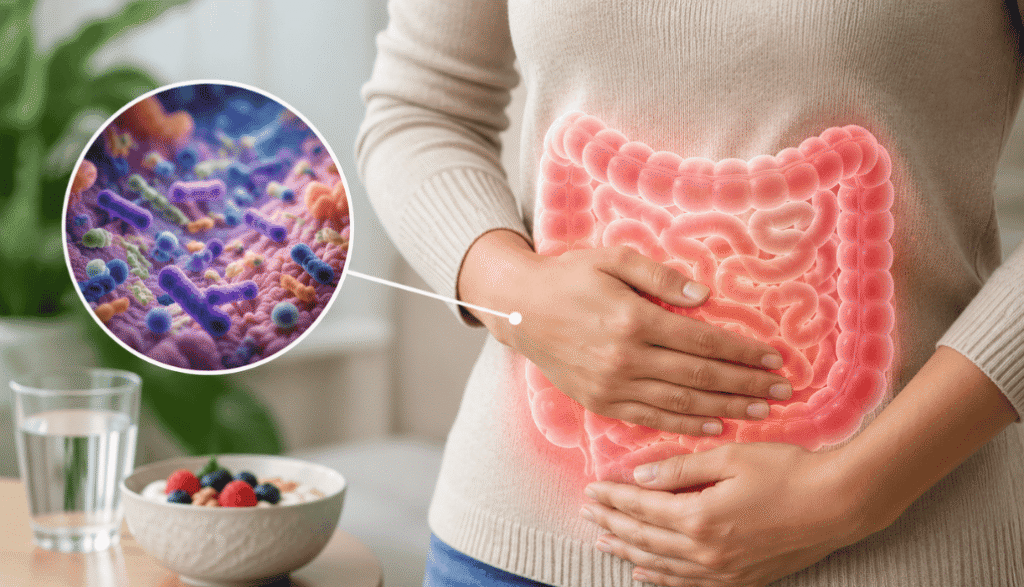
Los antibióticos pueden ser medicamentos importantes. Ayudan a matar o a detener el crecimiento de las bacterias que le enferman a usted. Los antibióticos no siempre pueden distinguir entre las bacterias buenas y las bacterias malas. Esto significa que también pueden afectar a los diminutos organismos que viven en su estómago y en sus intestinos.
Este grupo de organismos se llama el microbioma intestinal. Su función es ayudarle a digerir los alimentos, mantener su cuerpo fuerte y apoyar su salud.
Entonces, ¿qué le sucede a su intestino cuando toma antibióticos? Es posible que note algunos cambios en cómo se siente su estómago mientras su microbioma intestinal vuelve a la normalidad. Para algunas personas, estos cambios no son graves. Desaparecen rápidamente. Para otras personas, los cambios pueden durar más tiempo.
Aprender sobre estos cambios puede ayudarle a entender qué es normal y cuándo es mejor hablar con un médico.
¿Cómo afectan los antibióticos a su microbioma intestinal?
Su intestino tiene una variedad de bacterias y otros organismos diminutos. Muchos de estos organismos son buenos y ayudan a mantener su estómago sano.
Cuando usted toma un medicamento que mata bacterias, este combate a las que le están enfermando. También puede matar a algunas de las bacterias buenas que viven en su estómago.
Esto puede hacer que la combinación de organismos en su intestino cambie, por un tiempo breve.
Los efectos dependen de varios factores, entre ellos:
- El tipo de antibiótico que usted toma
- El tiempo durante el cual lo toma
- Su estado de salud en general
- Su microbioma intestinal existente
- El uso previo de antibióticos
Algunas personas notan síntomas digestivos durante el tratamiento, mientras que otras notan cambios después de terminar el medicamento.
Síntomas intestinales comunes después de tomar antibióticos
Los cambios en las bacterias intestinales pueden afectar la digestión. Los síntomas comunes pueden incluir:
1. Diarrea
La diarrea asociada a los antibióticos es uno de los efectos secundarios digestivos más comunes. Puede ocurrir mientras la persona está tomando el antibiótico o justo después de terminar el tratamiento.
La diarrea leve generalmente mejora una vez terminado el tratamiento con el antibiótico. Si la diarrea dura mucho tiempo o es muy fuerte, no debe ignorarse.
2. Hinchazón y gases
Los cambios en las bacterias intestinales pueden afectar temporalmente la manera en que su sistema digestivo procesa ciertos alimentos. Esto puede provocar más gases, hinchazón o molestias abdominales.
3. Cambios en las evacuaciones intestinales
Es posible que note cambios en la frecuencia, la consistencia o la regularidad de sus evacuaciones mientras su microbioma intestinal se recupera.
4. Malestar estomacal
Algunas personas experimentan náuseas, cólicos o malestar estomacal en general mientras toman antibióticos.
Estos síntomas pueden tener diferentes causas, por lo que los problemas digestivos persistentes deben comentarse con un profesional de la salud.
¿Cuánto tiempo tarda su intestino en recuperarse después de los antibióticos?
No existe un plazo único de recuperación que se aplique a todos.
Los estudios muestran que el microbioma intestinal puede empezar a cambiar durante el uso de antibióticos y puede volver poco a poco a la normalidad después. Algunas partes del microbioma pueden regresar a su estado anterior poco tiempo después, pero otros cambios pueden durar más.
Su recuperación puede verse afectada por el tipo de antibiótico, el tiempo que lo tomó, su alimentación, su estado de salud y su propio microbioma.
Lo importante es recordar que no debe dejar de tomar un antibiótico solo porque le preocupe la salud de su intestino. Tome los antibióticos exactamente como se lo indique su médico, a menos que su proveedor de atención médica le diga lo contrario.
Cómo apoyar a su intestino después de los antibióticos
Una vez que termine su tratamiento, los hábitos saludables diarios pueden ayudar a apoyar su salud digestiva.
Consuma una variedad de alimentos ricos en fibra
Alimentos como las verduras, las frutas, los frijoles, los granos enteros, las nueces y las semillas aportan fibra dietética que puede favorecer a los microorganismos beneficiosos del intestino.
Si su estómago está sensible, aumente el consumo de fibra de manera gradual y beba suficientes líquidos.
Incluya alimentos fermentados
Los alimentos como el yogur con cultivos vivos, el kéfir, el chucrut y otros alimentos fermentados pueden aportar microorganismos beneficiosos. Elija las opciones que se ajusten a sus necesidades dietéticas.
Manténgase Hidratado
Beber suficientes líquidos es especialmente importante si usted ha tenido diarrea u otros síntomas digestivos.
Enfóquese en la nutrición general
En lugar de depender de un solo alimento o suplemento para la "salud intestinal", enfóquese en una dieta equilibrada con una variedad de alimentos ricos en nutrientes.
¿Debe tomar probióticos después de los antibióticos?
Los probióticos son organismos similares a bacterias que pueden ayudarle a sentirse mejor en algunas situaciones.
Algunos estudios indican que ciertos probióticos pueden ayudar a prevenir la diarrea al tomar antibióticos.
No todos los probióticos son iguales, por lo que no todos actúan de la misma manera.
Los beneficios de los probióticos dependen del tipo de probiótico. ¿Qué es lo que le sucede a usted?
Si desea empezar a tomar probióticos, especialmente si es una persona mayor, si su sistema inmunológico no está fuerte o si tiene problemas de salud, debe consultar primero con su médico.
¿Cuándo debe hablar con un médico?
Los cambios digestivos después de tomar antibióticos suelen ser temporales, pero algunos síntomas requieren atención médica.
Comuníquese con un profesional de la salud si presenta:
- Diarrea intensa o persistente
- Sangre en las heces
- Dolor abdominal intenso
- Fiebre
- Signos de deshidratación
- Síntomas que empeoran en lugar de mejorar
El uso de antibióticos a veces puede estar asociado con la infección por Clostridioides difficile (C. diff), la cual puede causar diarrea significativa e inflamación del colon. Es importante recibir una evaluación médica oportuna si aparecen estos síntomas.
La conclusión: dele tiempo a su intestino para recuperarse
Los antibióticos son muy importantes para eliminar infecciones. En ocasiones, pueden afectar a las bacterias buenas de su estómago. Es posible que sienta hinchazón. Puede tener diarrea o gases mientras toma antibióticos. Sus evacuaciones intestinales también podrían ser diferentes.
Comer muchos alimentos con fibra, beber suficiente agua y cuidarse puede ayudar a que su estómago se sienta mejor mientras se adapta a los antibióticos. Lo importante es recordar que solo debe tomar antibióticos cuando su médico se lo indique. Si tiene síntomas que no desaparecen, debe hablar con un profesional de la salud.
Obtenga más apoyo para su salud
En Medcare, ayudamos a que la atención médica sea más accesible ofreciendo servicios para las personas elegibles para Medicare. Si tiene preguntas sobre problemas estomacales, medicamentos o su salud en general, hablar con un proveedor de atención médica capacitado puede brindarle la orientación que necesita para saber qué hacer.
Visite Medcare para obtener más información sobre la atención médica accesible por telemedicina y los servicios disponibles cubiertos por Medicare.