What Your Eyes Say About Your Health
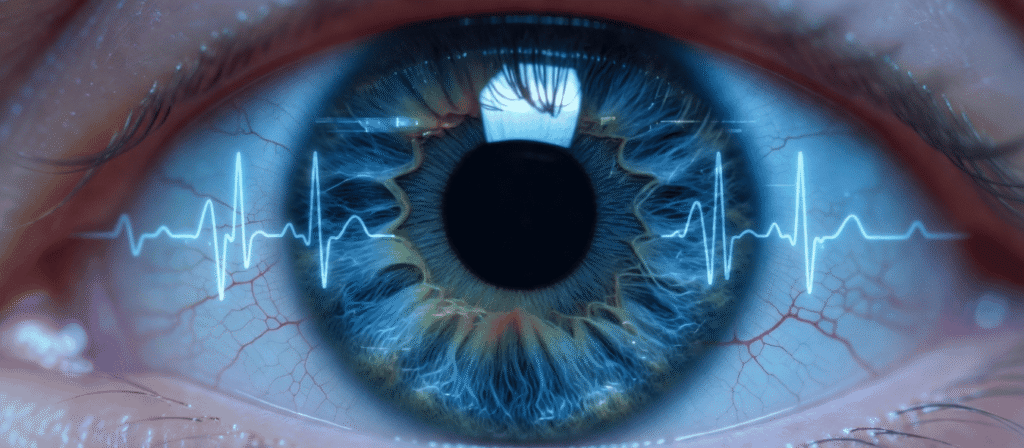
Your eyes do much more than help you see the world around you. They can also provide important clues about your overall health. In fact, eye doctors are often among the first healthcare professionals to detect signs of underlying medical conditions during routine eye examinations.
From changes in eye color to persistent redness and blurred vision, your eyes can reveal valuable information about what’s happening inside your body. Understanding these warning signs can help you seek medical attention early and protect both your vision and your health.
In this article, we’ll explore what your eyes may be trying to tell you and when it’s time to consult a healthcare professional.
Why Eye Health Reflects Overall Health
The eyes are connected to blood vessels, nerves, and tissues throughout the body. Because of this connection, many systemic diseases can cause noticeable changes in the eyes before other symptoms appear.
Regular eye examinations can help detect conditions such as:
- Diabetes
- High blood pressure
- High cholesterol
- Autoimmune diseases
- Vitamin deficiencies
- Neurological disorders
Paying attention to unusual changes in your eyes can lead to earlier diagnosis and better health outcomes.
1. Yellow Eyes May Signal Liver Problems
If the whites of your eyes appear yellow, it could be a sign of jaundice, a condition caused by elevated levels of bilirubin in the blood.
Possible Causes:
- Liver disease
- Hepatitis
- Gallbladder disorders
- Excessive alcohol-related liver damage
While jaundice can affect people of any age, it should never be ignored. A healthcare provider can determine the underlying cause and recommend appropriate treatment.
2. Persistent Red Eyes Could Indicate More Than Fatigue
Occasional eye redness is common and can result from allergies, lack of sleep, or irritation. However, chronic redness may point to an underlying health issue.
Potential Causes:
- Dry eye syndrome
- Eye infections
- Autoimmune conditions
- High blood pressure
- Inflammation within the eye
If redness persists for several days or is accompanied by pain, vision changes, or sensitivity to light, seek medical attention promptly.
3. Blurred Vision May Be Linked to Diabetes
Blurred vision is one of the most common eye symptoms associated with diabetes. Elevated blood sugar levels can affect the lens and blood vessels in the eyes.
Diabetes-Related Eye Conditions:
- Diabetic retinopathy
- Diabetic macular edema
- Cataracts
- Glaucoma
Early detection is crucial because diabetic eye disease can progress without noticeable symptoms in its early stages.
4. White or Gray Rings Around the Cornea Could Suggest High Cholesterol
A white, gray, or bluish ring around the outer edge of the cornea is known as arcus senilis.
While it can be a normal part of aging, especially in older adults, its appearance in younger individuals may indicate elevated cholesterol levels.
Why It Matters:
High cholesterol increases the risk of:
- Heart disease
- Stroke
- Vascular complications
A blood lipid test can help determine whether cholesterol levels are contributing to this change.
5. Dry Eyes May Signal Autoimmune Disorders
Dry eyes are often associated with screen time, air conditioning, or aging. However, chronic dry eyes may be linked to autoimmune conditions.
Conditions Associated with Dry Eyes:
- Rheumatoid arthritis
- Lupus
- Thyroid disorders
If artificial tears provide little relief and symptoms persist, a comprehensive medical evaluation may be beneficial.
6. Eye Twitching Can Reflect Stress and Fatigue
Occasional eyelid twitching is usually harmless, but it often serves as a signal that your body needs rest.
Common Triggers:
- Stress
- Sleep deprivation
- Excess caffeine
- Eye strain from digital devices
Reducing screen time, improving sleep habits, and managing stress can often resolve mild twitching naturally.
7. Bulging Eyes May Indicate Thyroid Disease
Eyes that appear unusually prominent or bulging can sometimes be associated with thyroid disorders, particularly Graves’ disease.
Other Symptoms May Include:
- Eye irritation
- Double vision
- Light sensitivity
- Difficulty closing the eyelids
Early diagnosis and treatment can help prevent complications affecting both vision and thyroid health.
8. Night Vision Problems Could Point to Vitamin A Deficiency
Difficulty seeing in dim light or at night may be a sign of inadequate vitamin A levels.
Vitamin A Supports:
- Healthy vision
- Corneal health
- Immune function
Foods rich in vitamin A include:
- Carrots
- Sweet potatoes
- Spinach
- Eggs
- Liver
Persistent night vision issues should be evaluated by a healthcare professional to rule out nutritional deficiencies or other eye conditions.
How to Protect Your Eye Health
Maintaining healthy eyes involves more than simply wearing glasses when needed.
Follow These Eye-Healthy Habits:
- Schedule regular eye examinations
- Manage blood sugar and blood pressure levels
- Eat a nutrient-rich diet
- Wear UV-protective sunglasses
- Stay hydrated
- Limit smoking and excessive alcohol consumption
- Take regular breaks from digital screens
These habits can help preserve vision while supporting overall wellness.
When Should You See a Doctor?
Seek medical attention if you experience:
- Sudden vision loss
- Persistent eye pain
- Flashes of light or floating spots
- Double vision
- Significant redness or swelling
- Sudden changes in vision quality
Prompt evaluation can prevent serious complications and improve treatment outcomes.
Your eyes are often described as the windows to the soul, but they can also be windows to your health. Changes in eye appearance, comfort, or vision may reveal important clues about conditions such as diabetes, high cholesterol, thyroid disease, liver problems, and nutritional deficiencies.
Regular eye examinations and timely medical care can help detect health issues early, protect your vision, and support long-term well-being.
Take Charge of Your Eye Health Today
At Medcare, we believe that preventive healthcare starts with awareness. If you’ve noticed changes in your vision or eye appearance, don’t ignore them. Schedule a comprehensive eye examination with a qualified healthcare professional and take the first step toward protecting both your eyesight and overall health.
Book your appointment with Medcare today and see the bigger picture of your health.