
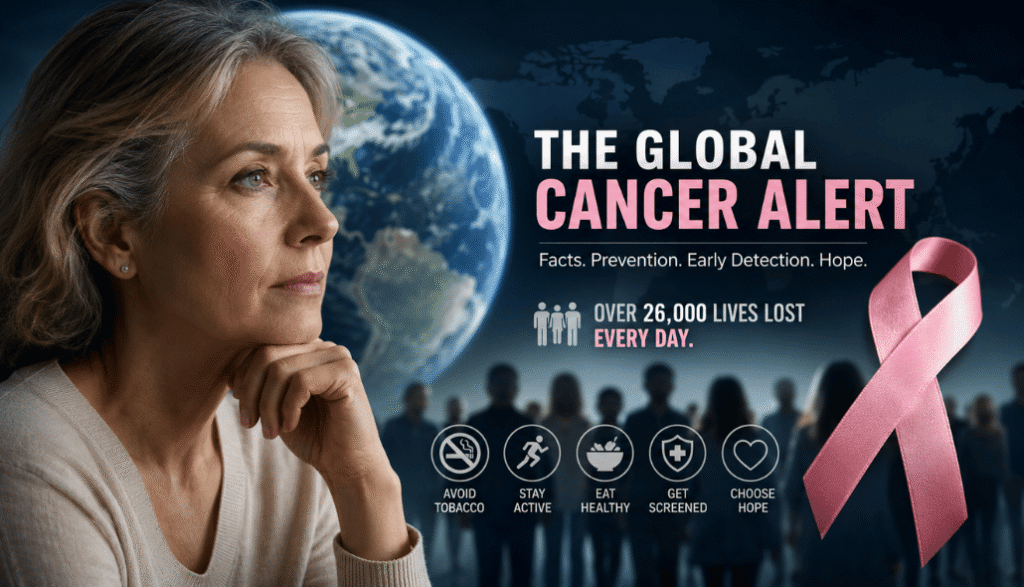
Cancer is already one of the world’s leading causes of death, claiming more than 26,000 lives every day globally. As populations grow and age, health experts expect the number of cancer cases to rise dramatically over the coming decades.
The World Health Organization (WHO) and its cancer research agency have warned that the global cancer burden is expected to increase significantly by 2050. While alarming headlines often circulate online, it’s important to separate facts from exaggeration. Rather than assuming “9 out of 10 people will develop cancer,” the evidence shows that the total number of cancer cases is projected to increase sharply due to aging populations, lifestyle changes, and environmental factors.
The good news? Many cancers can be prevented or detected early, giving people a much better chance of successful treatment.
Why Are Cancer Cases Expected to Rise by 2050?
According to global health organizations, several factors are driving the increase in cancer diagnoses:
1. Aging Population
The biggest reason is simple: people are living longer. Since cancer risk increases with age, more elderly individuals naturally means more cancer cases.
2. Population Growth
With the world’s population expected to approach 10 billion by 2050, even if individual risk stayed the same, the total number of cancer diagnoses would still increase.
3. Lifestyle Changes
Modern lifestyles contribute to several preventable cancers, including:
- Tobacco use
- Excess alcohol consumption
- Physical inactivity
- Poor diet
- Obesity
These factors significantly increase the risk of developing multiple types of cancer.
4. Environmental Exposure
Air pollution, UV radiation, workplace chemicals, and other environmental hazards also contribute to cancer risk in many regions.
The Most Common Types of Cancer Worldwide
While there are over 100 different types of cancer, these remain among the most commonly diagnosed:
- Breast cancer
- Lung cancer
- Colorectal cancer
- Prostate cancer
- Stomach cancer
- Liver cancer
- Cervical cancer
- Skin cancer (melanoma)
Each has different causes and treatment options, making early diagnosis extremely important.
Cancer Warning Signs You Should Never Ignore
Early detection saves lives.
Contact a healthcare provider if you notice symptoms such as:
Persistent fatigue
Feeling exhausted for weeks without explanation.
Unexplained weight loss
Losing weight without dieting or increased exercise.
A lump or swelling
Especially if it continues growing.
Persistent cough or hoarseness
Especially lasting longer than three weeks.
Changes in bowel or bladder habits
Blood in stool or urine should always be evaluated.
Unusual bleeding
Including bleeding after menopause or coughing up blood.
Skin changes
New moles or changes in existing ones should be checked.
Many of these symptoms can have non-cancer causes, but medical evaluation is important.
Can Cancer Be Prevented?
Although not every cancer is preventable, experts estimate that a significant percentage of cancer cases are linked to modifiable risk factors.
Quit Smoking
Smoking remains the leading preventable cause of cancer worldwide.
Maintain a Healthy Weight
Obesity increases the risk of several cancers, including:
- Colon cancer
- Breast cancer
- Kidney cancer
- Endometrial cancer
Eat a Balanced Diet
Focus on:
- Fruits
- Vegetables
- Whole grains
- Lean protein
- Healthy fats
Limit processed meats and sugary beverages.
Exercise Regularly
Aim for at least 150 minutes of moderate physical activity per week.
Limit Alcohol
Reducing alcohol intake lowers the risk of several cancers.
Protect Your Skin
Wear sunscreen, avoid excessive UV exposure, and skip tanning beds.
Stay Up to Date on Vaccinations
Vaccines against HPV and hepatitis B help reduce the risk of certain cancers.
Why Early Detection Matters
Many cancers have much higher survival rates when found early.
Recommended screenings may include:
- Mammograms
- Colon cancer screening
- Cervical cancer screening
- Lung cancer screening for eligible high-risk individuals
- Prostate cancer discussions based on age and risk factors
Talk with your healthcare provider about which screenings are appropriate for you.
How Telehealth Can Help With Cancer Prevention
Telehealth is making preventive healthcare more accessible than ever.
Virtual appointments can help you:
- Discuss cancer risk factors
- Review family history
- Receive lifestyle counseling
- Determine appropriate screenings
- Follow up on test results
- Manage chronic conditions that may increase health risks
For many older adults, telehealth offers a convenient way to stay connected with healthcare providers without unnecessary travel.
Small Healthy Habits Make a Big Difference
Preventing cancer doesn’t require perfection.
Simple daily habits can have a lasting impact:
- Stop smoking
- Eat nutritious meals
- Stay active
- Maintain a healthy weight
- Get recommended screenings
- Protect yourself from excessive sun exposure
- Keep routine healthcare appointments
These choices support not only cancer prevention but also overall health and longevity.
Cancer remains one of the greatest public health challenges worldwide, and experts expect the number of cases to continue rising through 2050. However, rising numbers do not mean cancer is inevitable.
Understanding the risk factors, recognizing warning signs, and prioritizing preventive care can make a meaningful difference. Regular checkups and recommended screenings remain among the most effective tools for detecting cancer early, when treatment is often more successful.
Staying informed and taking proactive steps today can help protect your health for years to come.
Frequently Asked Questions
Will 9 out of 10 people get cancer by 2050?
No. Current evidence does not support the claim that 9 out of 10 people will develop cancer by 2050. Global health agencies project a substantial increase in the number of cancer cases, largely because populations are growing and aging.
How many people die from cancer each day?
Globally, cancer causes well over 26,000 deaths each day, making it one of the leading causes of death worldwide.
What is the biggest risk factor for cancer?
Age is the strongest overall risk factor, while smoking remains the leading preventable cause of cancer.
Can telehealth help with cancer prevention?
Yes. Telehealth can help patients discuss symptoms, review risk factors, receive preventive counseling, and determine appropriate screening schedules with a healthcare provider.
Your health is worth protecting. If you’re eligible for preventive health services, don’t wait until symptoms appear. Schedule a preventive checkup or telehealth consultation with Medcare to discuss your cancer risk, recommended screenings, and healthy lifestyle strategies. Early action can make a significant difference in long-term health outcomes.