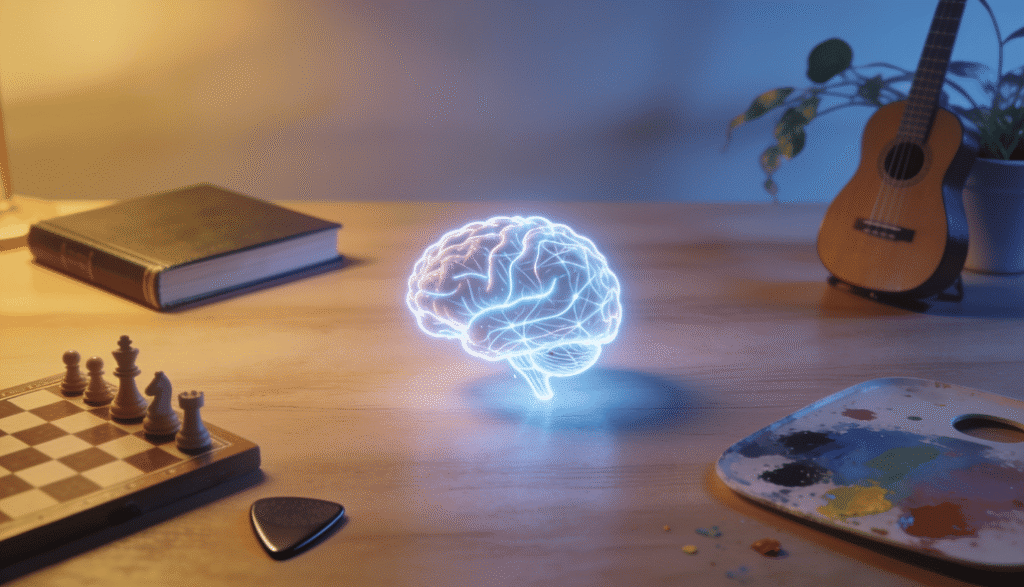
5 Hobbies That Reduce Brain Aging
As we age, it’s natural to notice changes in memory, concentration, and mental speed. While some cognitive changes are a normal part of aging, research suggests that staying mentally, physically, and socially active can help keep your brain healthier for longer.
One of the easiest ways to support brain health is by engaging in hobbies that challenge your mind and encourage lifelong learning. These activities stimulate different parts of the brain, strengthen neural connections, and may help reduce the risk of cognitive decline.
Here are five hobbies that can help reduce brain aging and improve your overall well-being.
1. Reading and Lifelong Learning
Reading is one of the most effective ways to exercise your brain. Whether it’s books, newspapers, or educational articles, reading improves memory, vocabulary, focus, and comprehension.
Learning something new-such as taking an online course or studying a new topic-also keeps the brain adaptable by forming new neural pathways.
Benefits of Reading
- Improves memory and concentration
- Expands vocabulary and knowledge
- Reduces stress
- Keeps the brain mentally active
- Encourages lifelong learning
Even reading for 20-30 minutes a day can provide lasting cognitive benefits.
2. Playing Strategy Games and Puzzles
Games that require problem-solving challenge your brain in healthy ways. Activities like chess, Sudoku, crossword puzzles, jigsaw puzzles, and card games strengthen critical thinking and improve memory.
These hobbies encourage the brain to recognize patterns, make decisions, and solve problems-all important skills that naturally decline with age if left unused.
Brain-Boosting Games
- Chess
- Sudoku
- Crossword puzzles
- Word games
- Jigsaw puzzles
- Bridge and other strategy card games
Adding a few puzzle sessions each week can help keep your mind sharp and engaged.
3. Learning a Musical Instrument
Learning to play an instrument is one of the most powerful workouts for the brain. It combines memory, coordination, hearing, concentration, and fine motor skills.
Research has shown that musicians often have stronger communication between different areas of the brain, which may support better cognitive function throughout life.
- Improves memory
- Enhances coordination
- Strengthens focus
- Stimulates multiple brain regions simultaneously
- Encourages continuous learning
It’s never too late to start learning an instrument like the piano, guitar, violin, or keyboard.
4. Gardening and Physical Hobbies
Gardening is much more than planting flowers. It combines physical activity, planning, problem-solving, and stress reduction-all of which benefit brain health.
Physical hobbies increase blood flow to the brain, delivering oxygen and nutrients that support healthy brain cells. Spending time outdoors may also improve mood and reduce anxiety.
Other Physical Brain-Friendly Hobbies
- Walking
- Hiking
- Dancing
- Yoga
- Bird watching
- Nature photography
Regular movement has been linked to a lower risk of cognitive decline and dementia.
5. Creative Arts and Craft Activities
Creative hobbies stimulate imagination while improving attention and fine motor skills. Painting, drawing, knitting, pottery, photography, writing, and crafting all encourage the brain to think in new ways.
Creative expression also helps reduce stress, which is important because chronic stress can negatively affect memory and overall brain function.
Creative Activities to Try
- Painting
- Sketching
- Knitting
- Crochet
- Photography
- Creative writing
- Pottery
- DIY crafts
The goal isn’t perfection-it’s keeping your brain actively engaged through creativity.
Additional Ways to Protect Your Brain
While hobbies are excellent for maintaining cognitive health, combining them with healthy lifestyle habits provides even greater benefits.
Support Your Brain By:
- Getting 7-9 hours of quality sleep
- Exercising regularly
- Eating a balanced diet rich in fruits, vegetables, healthy fats, and lean proteins
- Managing blood pressure, diabetes, and cholesterol
- Staying socially connected with family and friends
- Avoiding smoking and limiting alcohol consumption
- Keeping regular medical checkups
A healthy brain depends on caring for both your body and your mind.
When Should You Be Concerned About Memory Changes?
Occasional forgetfulness-like misplacing your keys or forgetting a name-is common with aging. However, persistent or worsening memory problems should not be ignored.
Speak with a healthcare provider if you or a loved one experiences:
- Frequently forgetting important information
- Difficulty completing familiar tasks
- Confusion about time or place
- Trouble finding words during conversations
- Personality or mood changes
- Poor judgment or decision-making
Early evaluation can identify treatable conditions or detect cognitive disorders in their early stages, when management is often most effective.
Brain aging is a natural process, but staying mentally active can make a meaningful difference. Hobbies like reading, solving puzzles, learning music, gardening, and engaging in creative arts challenge the brain, strengthen cognitive skills, and improve overall quality of life.
The best hobby is one you genuinely enjoy and can practice consistently. Even dedicating a small amount of time each week to these activities can help support memory, focus, and lifelong brain health.
Take Charge of Your Brain Health with Medcare
At Medcare, we believe that prevention and early detection are key to healthy aging. If you’re experiencing ongoing memory concerns or want guidance on maintaining cognitive health, our experienced healthcare professionals are here to help.
Schedule your health evaluation with Medcare today and take proactive steps toward protecting your brain for the years ahead.