What Your Hair Says About Your Health
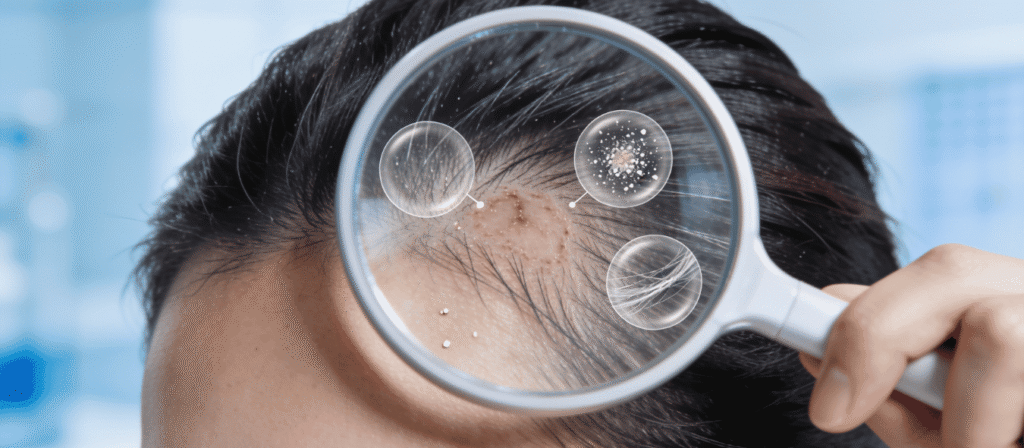
Your hair does much more than enhance your appearance—it can provide valuable clues about your overall health. Changes in hair texture, thickness, growth, or scalp condition may indicate nutritional deficiencies, hormonal imbalances, stress, or underlying medical conditions.
While occasional hair changes are normal, persistent issues shouldn’t be ignored. Understanding what your hair is trying to tell you can help you identify potential health concerns early and take steps to improve your well-being.
Let’s explore some common hair-related signs and what they may reveal about your health.
Excessive Hair Loss May Signal an Underlying Issue
Losing around 50 to 100 hairs per day is considered normal. However, noticeable hair shedding, thinning, or bald patches may indicate a health concern.
Common Causes of Hair Loss
Nutritional Deficiencies
Low levels of iron, vitamin D, zinc, protein, or vitamin B12 can affect healthy hair growth and lead to excessive shedding.
Thyroid Disorders
Both hypothyroidism and hyperthyroidism can cause hair thinning and changes in hair texture.
Hormonal Changes
Pregnancy, menopause, polycystic ovary syndrome (PCOS), and other hormonal fluctuations can trigger hair loss.
Stress
Physical or emotional stress can push hair follicles into a resting phase, causing temporary hair shedding known as telogen effluvium.
If hair loss persists for several months, it’s important to consult a healthcare professional for proper evaluation.
Dry and Brittle Hair Could Indicate Nutrient Deficiencies
Hair that feels rough, dry, or breaks easily may be more than a cosmetic issue.
Possible Health-Related Causes
- Lack of essential fatty acids
- Iron deficiency
- Low protein intake
- Vitamin deficiencies, especially vitamins A, D, and E
- Dehydration
Healthy hair requires adequate nutrition and hydration. A balanced diet rich in fruits, vegetables, lean proteins, healthy fats, and whole grains can support stronger, healthier hair.
Sudden Hair Thinning May Be Linked to Hormonal Imbalances
Hair thinning that develops gradually or suddenly can often be associated with changes in hormone levels.
Conditions Associated With Hair Thinning
- Thyroid disease
- PCOS
- Menopause
- Androgenetic alopecia (pattern hair loss)
Women may notice widening of the hair part, while men often experience thinning around the temples and crown.
Addressing the underlying hormonal issue may help improve hair health and reduce further hair loss.
Premature Graying Can Sometimes Reflect Health Factors
Gray hair is a natural part of aging, but premature graying may occasionally be linked to certain health conditions.
Factors That May Contribute to Early Graying
- Vitamin B12 deficiency
- Iron deficiency
- Chronic stress
- Genetics
- Autoimmune disorders
While genetics plays a major role, nutritional deficiencies may accelerate the graying process in some individuals.
Dandruff and Scalp Problems May Reflect More Than Dry Skin
An unhealthy scalp can affect both comfort and hair growth.
Common Causes of Persistent Dandruff
- Seborrheic dermatitis
- Fungal overgrowth
- Psoriasis
- Eczema
- Stress-related flare-ups
If dandruff becomes severe or is accompanied by redness, itching, or scaling, medical evaluation may be necessary.
Maintaining scalp hygiene and using appropriate treatment products can help restore scalp health.
Hair Growth Changes Can Reveal Nutritional Status
Slow-growing or weak hair may suggest that the body isn’t receiving enough nutrients to support optimal hair production.
Key Nutrients for Healthy Hair
- Protein
- Iron
- Zinc
- Biotin
- Vitamin D
- Omega-3 fatty acids
Since hair follicles are highly active tissues, they require a consistent supply of nutrients to function properly.
A nutrient-rich diet supports not only healthy hair growth but also overall health.
When Should You See a Doctor About Hair Changes?
While many hair concerns are temporary, certain signs warrant professional attention.
Seek Medical Advice If You Experience
- Sudden or severe hair loss
- Bald patches
- Persistent scalp irritation
- Hair loss accompanied by fatigue or weight changes
- Significant thinning over a short period
Early diagnosis can help identify underlying medical conditions and improve treatment outcomes.
Tips for Maintaining Healthy Hair
Healthy hair starts from within. Here are some simple ways to support stronger hair and scalp health:
- Eat a balanced, nutrient-rich diet
- Stay hydrated
- Manage stress effectively
- Avoid excessive heat styling
- Use gentle hair care products
- Get regular health checkups
- Address vitamin deficiencies when identified
These habits can promote healthier hair growth and contribute to better overall wellness.
Your hair can offer important insights into your body’s health. Excessive hair loss, dryness, thinning, premature graying, and scalp issues may sometimes indicate nutritional deficiencies, hormonal imbalances, stress, or other medical conditions.
Paying attention to these changes can help you identify potential health concerns early and seek appropriate care. Remember, healthy hair often reflects a healthy body.