Anxiety affects millions of people every year, causing symptoms like racing thoughts, panic, restlessness, poor sleep, and constant worry. While medications and therapy are effective for many individuals, some people also look for alternative treatments for anxiety to support their mental well-being naturally.
From mindfulness practices to lifestyle changes and holistic therapies, alternative anxiety treatments can help reduce stress, improve mood, and restore emotional balance. The good news is that many of these methods can be practiced safely at home and combined with professional healthcare support.
In this guide, we’ll explore the most effective natural and alternative remedies for anxiety, how they work, and when to seek medical guidance.
What Are Alternative Treatments for Anxiety?
Alternative treatments for anxiety are non-traditional approaches used to help manage anxiety symptoms naturally. These methods may focus on calming the nervous system, improving sleep, reducing stress hormones, and supporting overall mental wellness.
Many people use alternative therapies alongside professional treatment plans, while others explore them as a first step for mild anxiety symptoms.
Common goals of alternative anxiety treatments include:
- Lowering stress and tension
- Improving emotional regulation
- Supporting better sleep
- Reducing panic symptoms
- Promoting relaxation and mindfulness
1. Meditation and Mindfulness
How Mindfulness Helps Anxiety
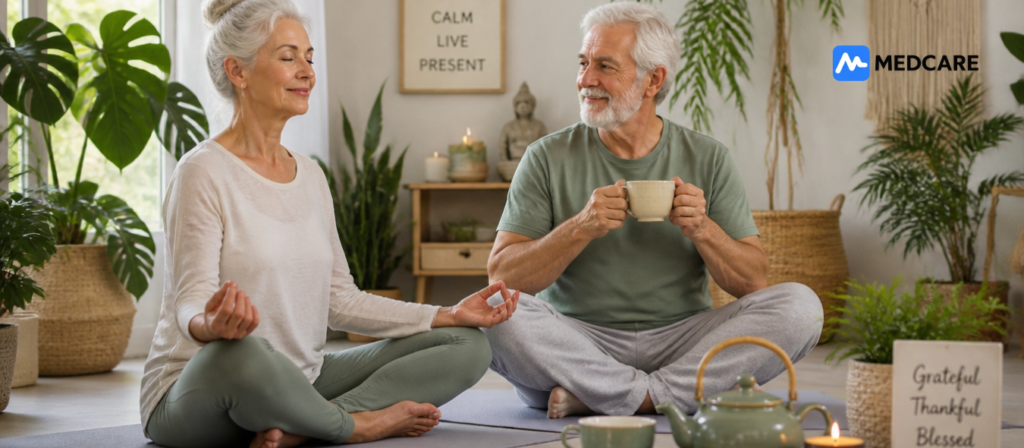
Mindfulness meditation is one of the most researched natural treatments for anxiety. It trains the mind to focus on the present moment instead of worrying about future events.
Studies show that mindfulness practices may help reduce:
- Stress hormones
- Racing thoughts
- Panic attacks
- Emotional overwhelm
Even 10–15 minutes of daily meditation can improve mental clarity and emotional stability.
Simple Ways to Practice Mindfulness
- Deep breathing exercises
- Guided meditation apps
- Body scan meditation
- Mindful walking
- Journaling thoughts and emotions
Consistency matters more than perfection.
2. Exercise and Physical Activity
Why Exercise Reduces Anxiety
Physical activity naturally releases endorphins, often called “feel-good” chemicals. Exercise also helps regulate stress hormones like cortisol and adrenaline.
People with anxiety often notice improvements in:
- Mood
- Sleep quality
- Energy levels
- Mental focus
Best Exercises for Anxiety Relief
Walking
A daily 20–30 minute walk can calm the nervous system and reduce tension.
Yoga
Yoga combines movement, breathing, and mindfulness, making it highly effective for anxiety management.
Strength Training
Resistance exercises may improve confidence and reduce chronic stress.
Swimming and Cycling
Low-impact cardio activities promote relaxation while improving heart health.
3. Herbal Remedies and Natural Supplements
Some herbal remedies may help reduce mild anxiety symptoms. However, supplements should always be discussed with a healthcare provider, especially if you take medications.
Popular Natural Remedies for Anxiety
Chamomile
Chamomile tea is commonly used for relaxation and sleep support.
Lavender
Lavender essential oil and aromatherapy may help calm stress and nervous tension.
Ashwagandha
This adaptogenic herb may help the body manage stress more effectively.
Magnesium
Low magnesium levels are sometimes linked to anxiety and muscle tension.
Important Safety Note
Natural does not always mean risk-free. Certain herbs and supplements can interact with medications or cause side effects. Always consult a licensed healthcare professional before starting supplements.
4. Breathing Techniques for Fast Anxiety Relief
Why Breathing Exercises Work
Anxiety often activates the body’s “fight or flight” response, causing rapid breathing and increased heart rate. Controlled breathing can help calm the nervous system quickly.
Effective Anxiety Breathing Methods
Box Breathing
- Inhale for 4 seconds
- Hold for 4 seconds
- Exhale for 4 seconds
- Hold again for 4 seconds
4-7-8 Breathing
This method encourages relaxation and may improve sleep.
Diaphragmatic Breathing
Deep belly breathing can reduce physical symptoms of stress and panic.
Practicing breathing exercises daily can make anxiety easier to manage over time.
5. Acupuncture and Massage Therapy
Acupuncture for Anxiety
Acupuncture is a traditional therapy that uses thin needles placed at specific points in the body. Some studies suggest it may help reduce anxiety symptoms by promoting relaxation and improving energy balance.
Massage Therapy Benefits
Massage therapy can:
- Lower muscle tension
- Improve sleep
- Reduce stress hormones
- Promote overall relaxation
Many people experience immediate stress relief after massage sessions.
6. Nutrition and Anxiety Management
Foods That Support Mental Wellness
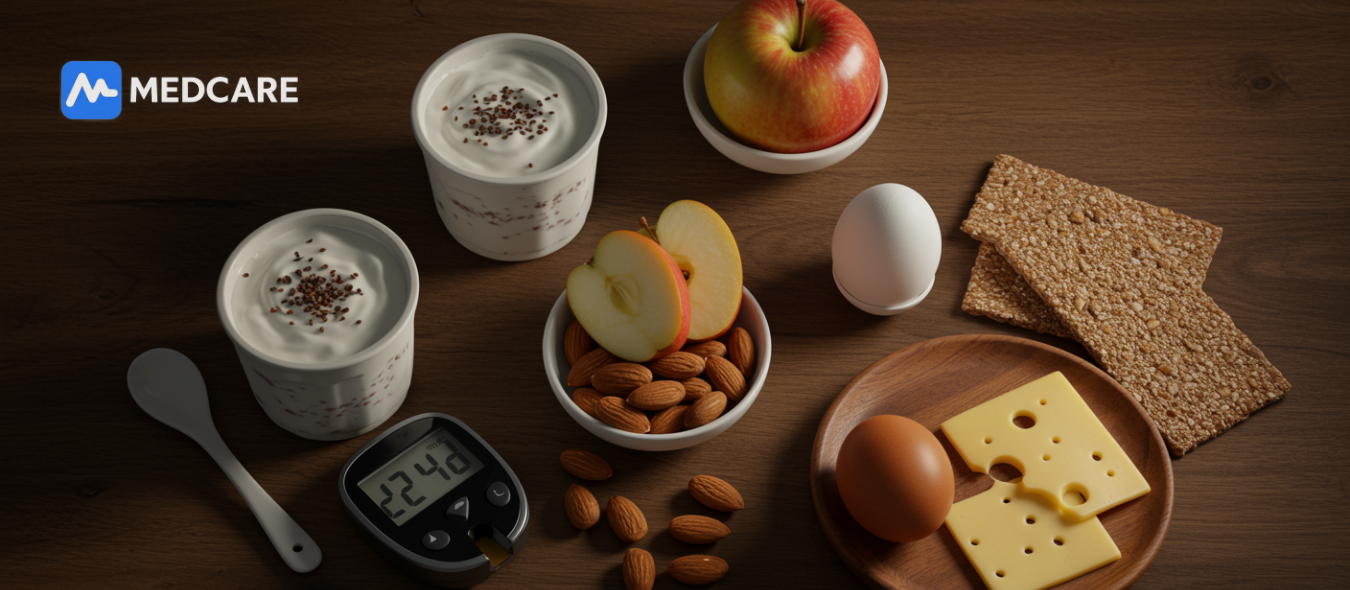
Diet plays a major role in brain health and emotional balance.
Foods that may help reduce anxiety include:
- Fatty fish rich in omega-3s
- Nuts and seeds
- Whole grains
- Leafy greens
- Yogurt and probiotic foods
Foods That May Worsen Anxiety
Some foods and drinks may increase anxiety symptoms, including:
- Excess caffeine
- Sugary beverages
- Alcohol
- Highly processed foods
Maintaining stable blood sugar levels can also help regulate mood and energy.
7. Sleep and Stress Reduction
The Anxiety-Sleep Connection
Poor sleep can worsen anxiety, while anxiety itself often disrupts sleep patterns. Improving sleep hygiene is one of the most effective natural anxiety strategies.
Tips for Better Sleep
- Maintain a regular sleep schedule
- Avoid screens before bed
- Limit caffeine late in the day
- Create a calm bedtime routine
- Keep the bedroom cool and quiet
Better sleep often leads to improved emotional resilience.
When to Seek Professional Help
Alternative treatments can be helpful, but severe or persistent anxiety may require professional support. If anxiety interferes with work, relationships, sleep, or daily life, it’s important to speak with a healthcare provider.
Signs you should seek help include:
- Frequent panic attacks
- Ongoing sadness or hopelessness
- Trouble functioning daily
- Severe sleep problems
- Physical symptoms like chest pain or dizziness
Telehealth mental health services now make it easier than ever to connect with licensed professionals from home.
Combining Natural Remedies With Professional Care
The most effective anxiety management plans often combine multiple approaches, such as:
- Therapy or counseling
- Lifestyle changes
- Mindfulness practices
- Exercise
- Telehealth support
- Healthy sleep habits
A personalized treatment plan can help address both the emotional and physical symptoms of anxiety.
Exploring alternative treatments for anxiety can help many people feel calmer, healthier, and more in control of their daily lives. Practices like meditation, exercise, breathing techniques, proper nutrition, and stress management may significantly improve mental wellness when used consistently.
While natural approaches can provide meaningful relief, professional medical support remains important for moderate to severe anxiety symptoms. Combining holistic wellness strategies with expert care often leads to the best long-term results.
Take the First Step Toward Better Mental Wellness
At Medcare, we believe mental health support should be accessible, compassionate, and convenient. Our telehealth services connect you with healthcare professionals who can help you manage anxiety, stress, and overall wellness from the comfort of home.
Contact Medcare today to learn more about personalized virtual healthcare support for your mental well-being.