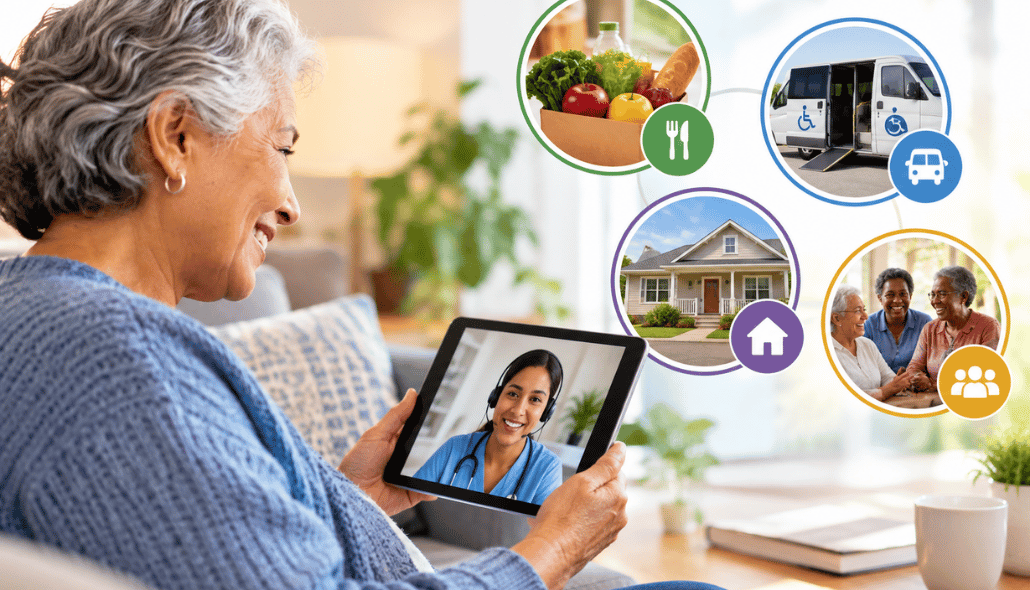
How Community Health Integration Supports Independent Living for Seniors
Growing older does not mean losing independence. Many older people want to keep living in their own homes and neighborhoods but daily challenges can sometimes make that hard.
Handling doctor visits, finding a way to get around getting food, dealing with housing issues or staying in touch with local services can all impact how well an older person feels.
This is where Community Health Integration (CHI) can help. CHI supports people who have Medicare by linking health care with help and local resources.
For people this teamwork approach can make daily life simpler while helping them stay active in their homes and communities.
What Is Community Health Integration?
Community Health Integration is a Medicare-covered service designed to help eligible patients address health-related needs that can interfere with their ability to manage their health.
By focusing only on medical conditions, Community Health Integration takes a broader view of a person’s circumstances. A senior may have access to a doctor. Still struggle to stay healthy because of transportation problems, food insecurity, housing concerns or difficulty navigating available services.
Community Health Integration can help connect individuals, with appropriate community resources and support while coordinating with their healthcare team.
Why Social Needs Matter to Senior Health
Health is shaped by more than doctor visits and medications.
For example a senior who cannot easily get transportation may miss appointments. Someone who faces food insecurity may find it hard to keep a diet. A person who feels isolated may withdraw from both healthcare and community life.
Addressing these challenges can help people manage health better and improve the quality of health.
5 Ways CHI Can Help Seniors Live More Independently
1. Connecting Seniors With Community Resources
It can feel very scary to look for help especially when seniors or caregivers do not know where to begin.
CHI can help eligible beneficiaries find and connect with the community-based resources. Depending on what each person needs and what’s available nearby these community-based resources may include help with food, transportation, housing, social support and other community needs.
I believe that having someone to help navigate these community-based resources can make life a lot easier, for seniors.
2. Helping Address Transportation Challenges
Transportation can become a significant challenge as people age.
Limited access to transportation may make it harder to attend healthcare appointments, pick up essentials, or participate in community activities.
CHI may help eligible seniors connect with available transportation resources, making it easier to access important services and stay connected.
3. Supporting Better Care Coordination
Healthcare can include providers, many appointments and many services. Keeping all of this organized can be difficult, for seniors and caregivers.
CHI helps coordinate the patients Healthcare needs with community resources. This can help create a connected way to deal with barriers that might affect health.
Better coordination can also make it easier for seniors and caregivers to understand what support may be available.
4. Addressing Health-Related Social Needs
Sometimes the biggest obstacles to health appear outside the doctors office.
Food insecurity, housing instability, transportation difficulties and social isolation are examples of issues that can affect a person’s ability to manage health.
CHI recognizes these challenges. Helps connect eligible beneficiaries with appropriate support. By addressing these needs medical care can be. Seniors can manage daily life more effectively and improve health.
5. Helping Seniors Stay Connected to Their Communities
Independence is not about living alone. It is also about keeping relationships and having the help needed to take part in daily activities.
By helping older people connect with community services CHI can help them get more involved with the programs and the people in their area.
For some adults getting the right connection, at the right moment can make daily difficulties feel easier to handle.
How Telehealth Can Make CHI More Accessible
For seniors who have trouble getting around, telehealth can be an easy way to talk to healthcare professionals from home when it makes sense for their health.
Virtual care can help get rid of travel problems. Virtual care also makes it much easier for eligible patients to join in on care-related conversations.
MedCare uses telehealth to help make healthcare access more convenient for Medicare beneficiaries. Depending on eligibility MedCare services may be available without needing an in-person visit.
Who May Benefit From Community Health Integration?
CHI is meant for Medicare beneficiaries who qualify and who have needs that are related to health and may affect their ability to manage their own health.
Eligibility and coverage depend on each person’s situation and on Medicare rules. A health care professional can decide if CHI is suitable, by looking at a patient’s needs.
If you or a loved one is facing problems that affect health care, talking to a qualified health care professional is a good first step.
Supporting Independence Starts With the Right Support
I know that living independently does not mean handling every challenge
For seniors the right mix of healthcare, care coordination, community resources and practical support can make it easier for seniors to manage needs while staying connected to the community.
Community Health Integration helps bridge the gap between healthcare and the real-life challenges that can affect seniors’ health.
Explore CHI With Medcare
If you are a Medicare beneficiary or caregiver and want to learn whether Community Health Integration may be appropriate for you, Medcare can help you understand the available options.
Contacte a Medcaree today to learn more about CHI, telehealth, and available support for eligible Medicare beneficiaries.
Coverage, eligibility, and services are subject to Medicare requirements and individual circumstances. CHI is not a replacement for emergency medical care.