What Is Colon Cancer (Colorectal Cancer)?
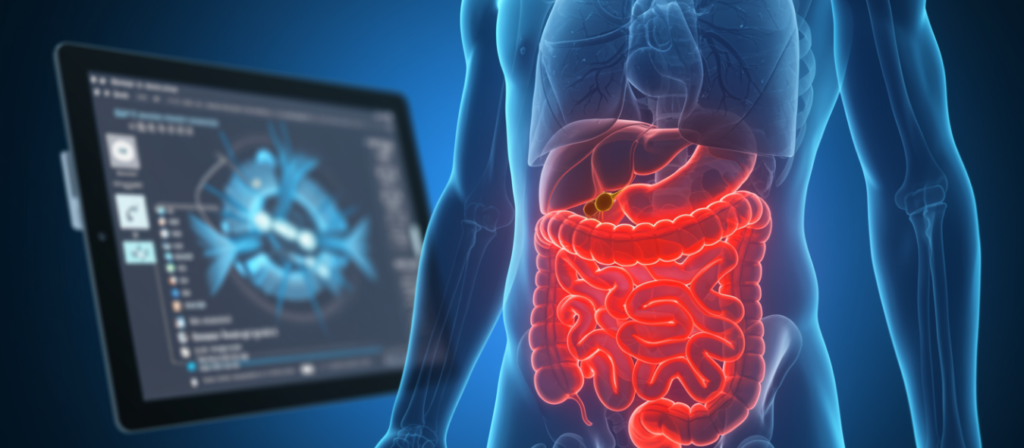
Colon cancer, also known as cancer, starts in the colon or rectum which are parts of the large intestine. It begins as growths called polyps, which are not cancerous. These polyps can turn into cancer over time if not found early. Colon cancer is one of the common types of cancer in the world.
The good news is that it can be prevented and treated if caught early. We can find it early with screenings. Knowing the symptoms also helps save lives. Colon cancer is a disease but we can beat it if we catch it in time and get the right treatment for colon cancer.
Common Symptoms of Colon Cancer
Colon cancer often develops silently in its early stages, which makes screening extremely important. However, as it progresses, some warning signs may appear:
Key Symptoms to Watch For
- Persistent changes in bowel habits (diarrhea or constipation)
- Blood in stool or rectal bleeding
- Abdominal discomfort (cramps, gas, or pain)
- Unexplained weight loss
- Fatigue or weakness
- Feeling that the bowel doesn’t empty completely
If you experience any of these symptoms for more than a few weeks, it’s important to consult a healthcare provider.
What Causes Colon Cancer?
There is no single cause of colon cancer, but several factors can increase the risk.
Major Risk Factors
- Age: Most cases occur in people over 50
- Family history: Genetics play a significant role
- Diet: High intake of red or processed meat
- Lifestyle: Lack of exercise, smoking, and alcohol use
- Obesity: Being overweight increases risk
- Chronic conditions: Such as inflammatory bowel disease (IBD)
Understanding these risk factors can help you take preventive steps early.
How Is Colon Cancer Diagnosed?
Early detection is one of the most effective ways to reduce the risk of advanced colon cancer.
Common Screening Methods
- Colonoscopy: The most accurate test to detect polyps and cancer
- Stool tests: Check for hidden blood in stool
- CT colonography: A non-invasive imaging test
Doctors recommend regular screening starting at age 45, or earlier if you have higher risk factors.
Stages of Colon Cancer
Colon cancer is classified into stages based on how far it has spread:
- Stage 0: Cancer is limited to the inner lining
- Stage 1: Cancer has grown into the wall of the colon
- Stage 2: Spread to outer layers but not lymph nodes
- Stage 3: Spread to nearby lymph nodes
- Stage 4: Spread to distant organs (metastasis)
Early-stage cancers are easier to treat and often have better outcomes.
Treatment Options for Colon Cancer
Treatment depends on the stage and overall health of the patient.
Common Treatments
- Surgery: To remove cancerous tissue
- Chemotherapy: To kill cancer cells
- Radiation therapy: Often used for rectal cancer
- Targeted therapy: Focuses on specific cancer cells
Your healthcare provider will create a personalized treatment plan based on your condition.
Can Colon Cancer Be Prevented?
While not all cases can be prevented, many can be avoided through healthy lifestyle choices and regular screenings.
Prevention Tips
- Eat a high-fiber diet (fruits, vegetables, whole grains)
- Limit red and processed meat
- Exercise regularly
- Maintain a healthy weight
- Avoid smoking and limit alcohol
- Get regular screenings
Small lifestyle changes can significantly reduce your risk.
When Should You See a Doctor?
You should consult a doctor if:
- You notice persistent digestive issues
- You have a family history of colon cancer
- You are over 45 and haven’t been screened
- You experience unexplained weight loss or fatigue
Early consultation can make a life-saving difference.
Why Early Detection Matters
Colon cancer is one of the most preventable cancers, yet it remains a leading cause of cancer-related deaths. The key reason is late diagnosis.
With early detection:
- Treatment is more effective
- Survival rates are significantly higher
- Less aggressive treatments may be needed
Regular screening can detect polyps before they turn into cancer.
Colon cancer may sound frightening, but awareness and proactive care can dramatically reduce your risk. Understanding the symptoms, knowing your risk factors, and staying consistent with screenings are your best defenses.
Take control of your health today.
At MedCare, we make it easy for you to access expert guidance and preventive care from the comfort of your home.
👉 Schedule your telehealth consultation now and talk to a healthcare professional about colon cancer screening and prevention. Early action can save lives.