High cholesterol is a common health issue that affects many people all over the world. Lots of people have it. They don’t even know it.
The problem with cholesterol is that it can cause serious issues like heart disease or stroke.
To take care of your heart and health you need to know what high cholesterol is, about. This guide will help you understand what cholesterol is, why it is important and how you can control cholesterol effectively.
What Is High Cholesterol?
Cholesterol is a waxy, fat-like substance found in your blood. Your body needs some cholesterol to build healthy cells, but too much of it can lead to dangerous health conditions.
There are two main types of cholesterol:
LDL (Low-Density Lipoprotein) – “Bad” Cholesterol
LDL cholesterol builds up in the walls of your arteries, forming plaque. This narrows blood vessels and increases your risk of heart attack and stroke.
HDL (High-Density Lipoprotein) – “Good” Cholesterol
HDL cholesterol helps remove excess cholesterol from your bloodstream and carries it back to the liver for processing.
When LDL levels are high and HDL levels are low, it creates an imbalance known as high cholesterol (hypercholesterolemia).
What Causes High Cholesterol?
Several factors can contribute to high cholesterol, many of which are linked to lifestyle choices.
Unhealthy Diet
Eating foods high in saturated fats, trans fats, and processed sugars can significantly raise cholesterol levels.
Lack of Physical Activity
A sedentary lifestyle reduces HDL (good cholesterol) and increases LDL (bad cholesterol).
Smoking and Alcohol
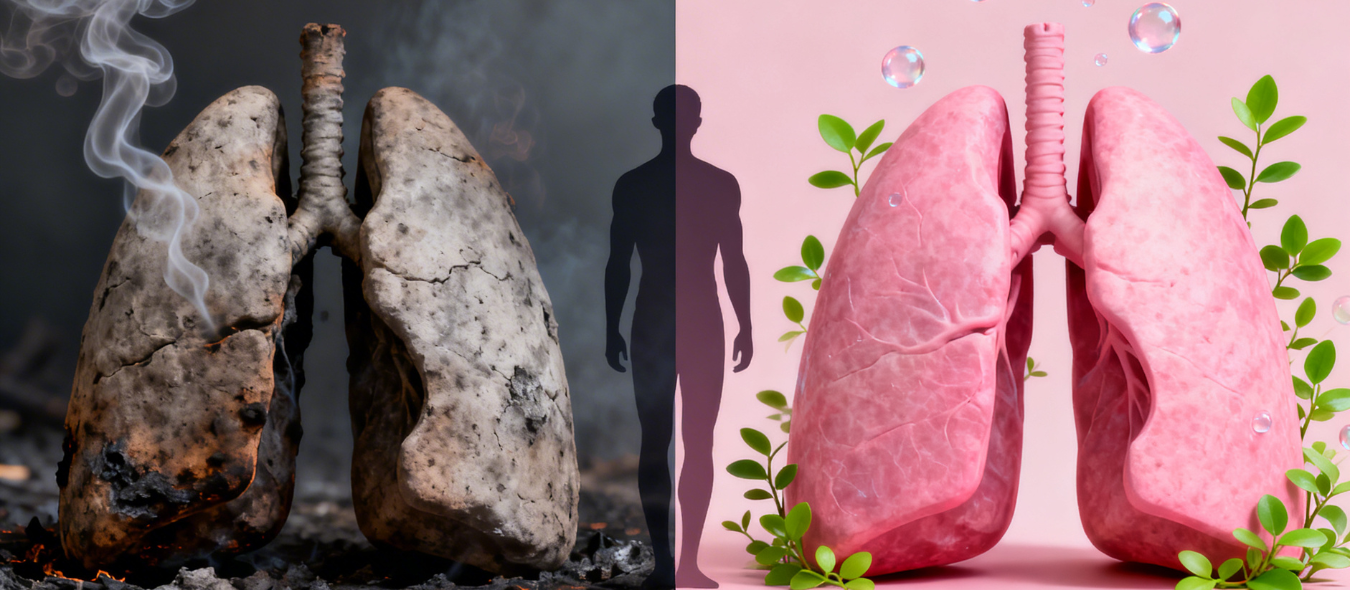
Smoking lowers good cholesterol and damages blood vessels, while excessive alcohol intake can increase cholesterol levels.
Genetics
Some people inherit conditions like familial hypercholesterolemia, which causes high cholesterol regardless of lifestyle.
Other Risk Factors
- Obesity
- Diabetes
- Age (risk increases as you get older)
- High blood pressure
Symptoms of High Cholesterol
High cholesterol is often called a “silent condition” because it usually has no noticeable symptoms.
Most people only discover they have high cholesterol through a blood test or after experiencing complications such as:
- Chest pain (angina)
- Heart attack
- Stroke
That’s why regular screening is essential—even if you feel perfectly healthy.
Why High Cholesterol Is Dangerous
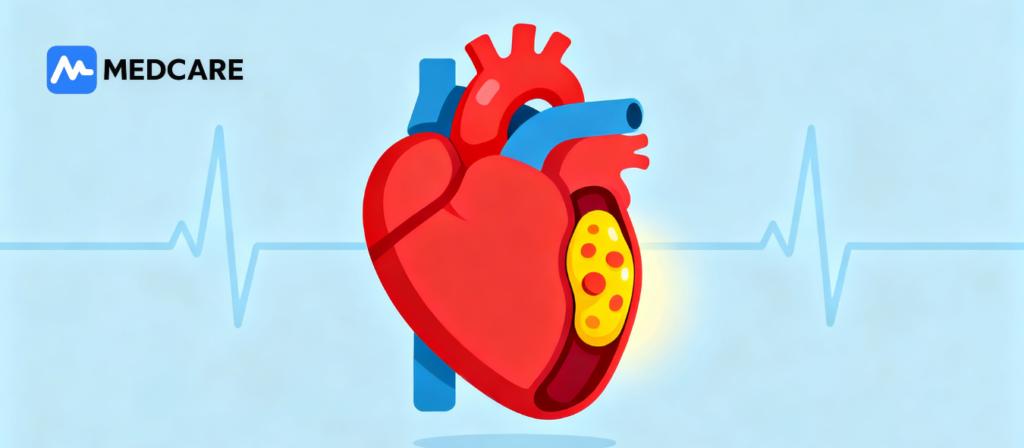
When cholesterol builds up in your arteries, it forms plaque, a condition known as atherosclerosis. Over time, this can:
- Narrow or block arteries
- Reduce blood flow to vital organs
- Increase the risk of heart disease
- Lead to stroke or heart attack
High cholesterol is a major risk factor for cardiovascular disease, which remains one of the leading causes of death globally.
How to Lower High Cholesterol Naturally
The good news is that high cholesterol can often be managed with simple lifestyle changes.
Eat a Heart-Healthy Diet
Focus on:
- Fruits and vegetables
- Whole grains
- Lean proteins (fish, chicken)
- Healthy fats (olive oil, nuts, avocado)
Avoid:
- Fried foods
- Processed snacks
- Red meat in excess
Exercise Regularly
Aim for at least 30 minutes of moderate exercise most days of the week. Activities like walking, cycling, or swimming can help improve cholesterol levels.
Maintain a Healthy Weight
Even a small amount of weight loss can help reduce LDL cholesterol and improve heart health.
Quit Smoking
Stopping smoking improves HDL levels and reduces overall cardiovascular risk.
Limit Alcohol Intake
Moderation is key—too much alcohol can raise cholesterol and triglyceride levels.
Medical Treatments for High Cholesterol
If lifestyle changes are not enough, your doctor may recommend medications such as:
- Statins – Lower LDL cholesterol
- Bile acid sequestrants – Reduce cholesterol absorption
- Cholesterol absorption inhibitors
- PCSK9 inhibitors (for high-risk patients)
Always consult a healthcare provider before starting any medication.
When Should You Get Your Cholesterol Checked?
Regular screening helps detect high cholesterol early. General recommendations:
- Adults aged 20+ should check cholesterol every 4–6 years
- People with risk factors may need more frequent testing
- Older adults should monitor cholesterol regularly
A simple blood test called a lipid profile measures your cholesterol levels.
Prevention Tips for Long-Term Heart Health
Preventing high cholesterol is easier than treating it. Here are a few simple habits:
- Eat balanced meals
- Stay physically active
- Avoid smoking
- Get regular health check-ups
Consistency is the key to long-term heart health.
High cholesterol may not show symptoms, but its impact on your health can be serious. The good news is that it’s manageable—and often preventable—with the right lifestyle choices and medical support.
Taking small steps today can protect your heart for years to come.
At MedCare, we make it easy to monitor and manage your health from the comfort of your home. Book your cholesterol screening today and take the first step toward a healthier heart.
👉 Schedule your appointment now and stay in control of your health.