Your body needs vitamins to work well. Vitamins help with things like keeping you from getting sick and giving you energy. When you do not have enough vitamins your body will try to tell you. It might send signals or big ones. If you ignore these signals you might have health problems later.
In this guide we will talk about 16 signs that you do not have enough vitamins. We will explain what these signs mean. We will also tell you how to fix vitamin deficiencies effectively.
Why Vitamin Deficiencies Happen
Before diving into symptoms, it’s important to understand the causes. Common reasons include:
- Poor or unbalanced diet
- Digestive issues affecting nutrient absorption
- Certain medications
- Chronic stress or illness
- Age-related changes
Even people who eat “healthy” can still have deficiencies.
16 Signs Your Body Is Lacking Vitamins
1. Constant Fatigue and Weakness
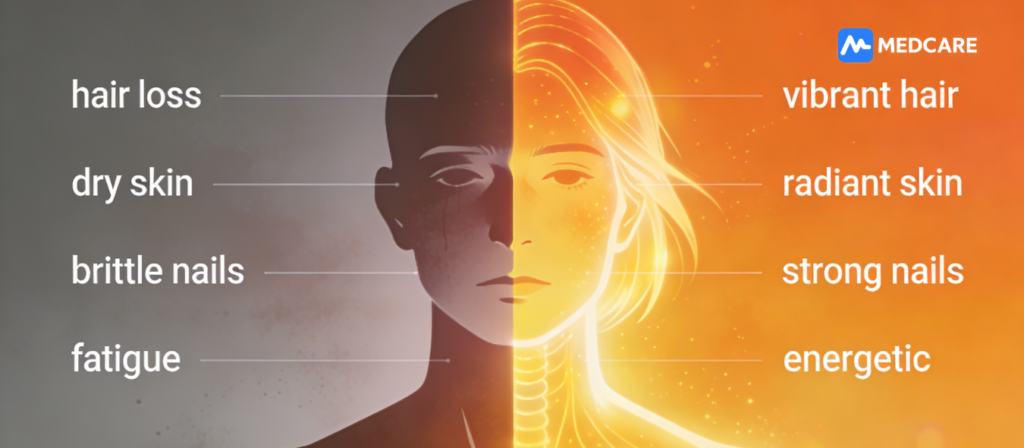
Feeling tired all the time could indicate low levels of vitamin B12, vitamin D, or iron. These nutrients are essential for energy production.
2. Frequent Illness or Infections
If you’re getting sick often, your immune system may need more vitamin C, vitamin D, or zinc.
3. Hair Loss or Thinning Hair
Hair health depends on biotin (vitamin B7), iron, and vitamin D. Deficiencies can lead to noticeable hair fall.
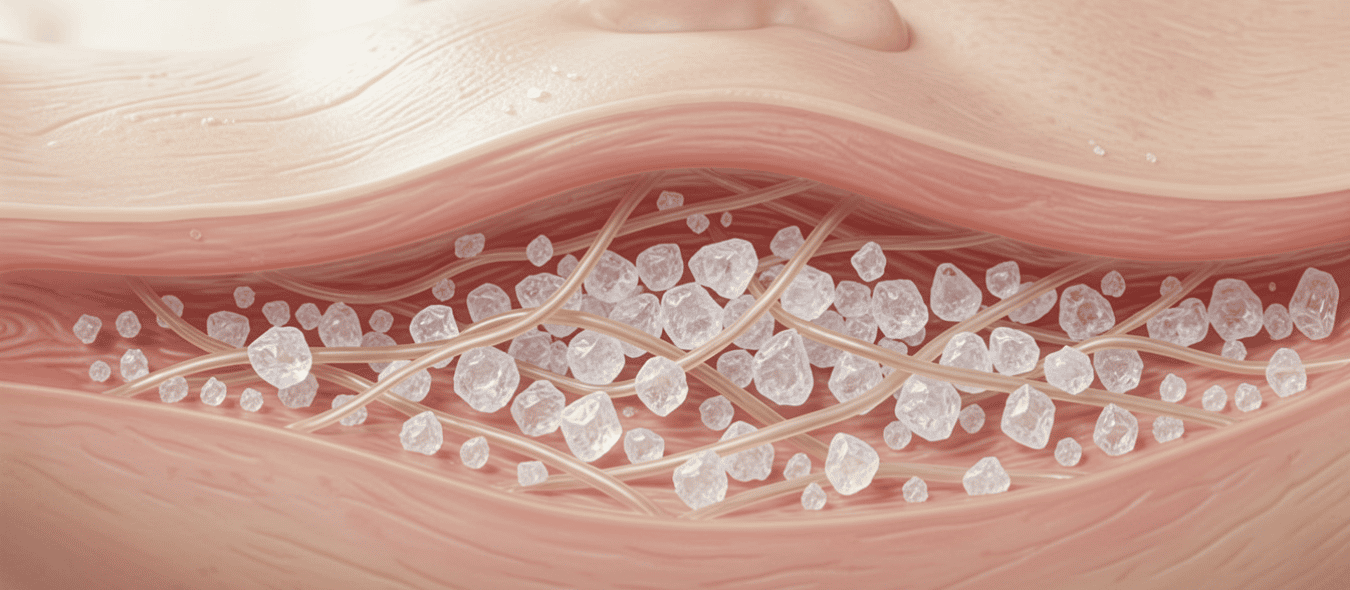
4. Dry, Flaky Skin
Lack of vitamin A, vitamin E, or omega-3 fatty acids can cause skin dryness and irritation.
5. Cracks at the Corners of the Mouth
This is often linked to low B vitamins (especially B2, B3, and B12) and iron deficiency.
6. Bleeding or Swollen Gums
A classic sign of vitamin C deficiency, which plays a key role in gum health.
7. Poor Night Vision
Struggling to see in low light may indicate a lack of vitamin A.
8. Bone Pain or Weakness
Low vitamin D and calcium levels can weaken bones and increase fracture risk.
9. Tingling or Numbness in Hands and Feet
This symptom is commonly linked to vitamin B12 deficiency, affecting nerve function.
10. Mood Changes or Depression
Low levels of vitamin D, B vitamins, and omega-3s are associated with mood imbalances.
11. Slow Wound Healing
If cuts take longer to heal, you might be low in vitamin C, vitamin A, or zinc.
12. Brittle Nails
Weak or easily broken nails can signal a lack of biotin or iron.
13. Muscle Cramps
Deficiencies in magnesium, potassium, or vitamin D can lead to frequent cramps.
14. Pale or Yellowish Skin
This could indicate low vitamin B12 or iron levels, often linked to anemia.
15. Brain Fog and Poor Concentration
Low B vitamins and omega-3 fatty acids can affect memory and focus.
16. Unexplained Weight Changes
Sudden weight gain or loss may be linked to vitamin D or thyroid-related nutrient imbalances.
How to Fix Vitamin Deficiencies Safely
1. Improve Your Diet
Focus on nutrient-rich foods like:
- Leafy greens (spinach, kale)
- Fruits (berries, citrus)
- Lean proteins (eggs, fish, chicken)
- Whole grains
- Nuts and seeds
2. Consider Supplements (If Needed)
Supplements can help, but should be used carefully. Always consult a healthcare provider before starting, especially for high-dose vitamins.
3. Get Regular Sun Exposure
Sunlight is a natural source of vitamin D, which many people lack.
4. Check Your Levels
A simple blood test can identify deficiencies accurately and prevent unnecessary supplementation.
When to See a Doctor
If you experience persistent symptoms like extreme fatigue, numbness, or unexplained health changes, seek medical advice. Self-diagnosing can be risky, and proper testing ensures the right treatment.
Your body often signals when something is wrong—you just need to listen. Recognizing these 16 signs of vitamin deficiency early can help you take action before they become serious health issues.
Small changes in your diet and lifestyle can make a big difference in how you feel every day.
Want to take control of your health?
Start by evaluating your diet and consider getting a vitamin check today. For more expert-backed health tips and guides, stay connected with Medcare—your trusted source for better living.